
The Essential Steps in the Construction Process: From Planning to Completion


The construction process is a complex journey that transforms architectural dreams into tangible structures. This journey involves several essential steps, each crucial to the successful completion of a project. Understanding these steps can help stakeholders manage expectations and ensure a smooth process.
Planning and Design
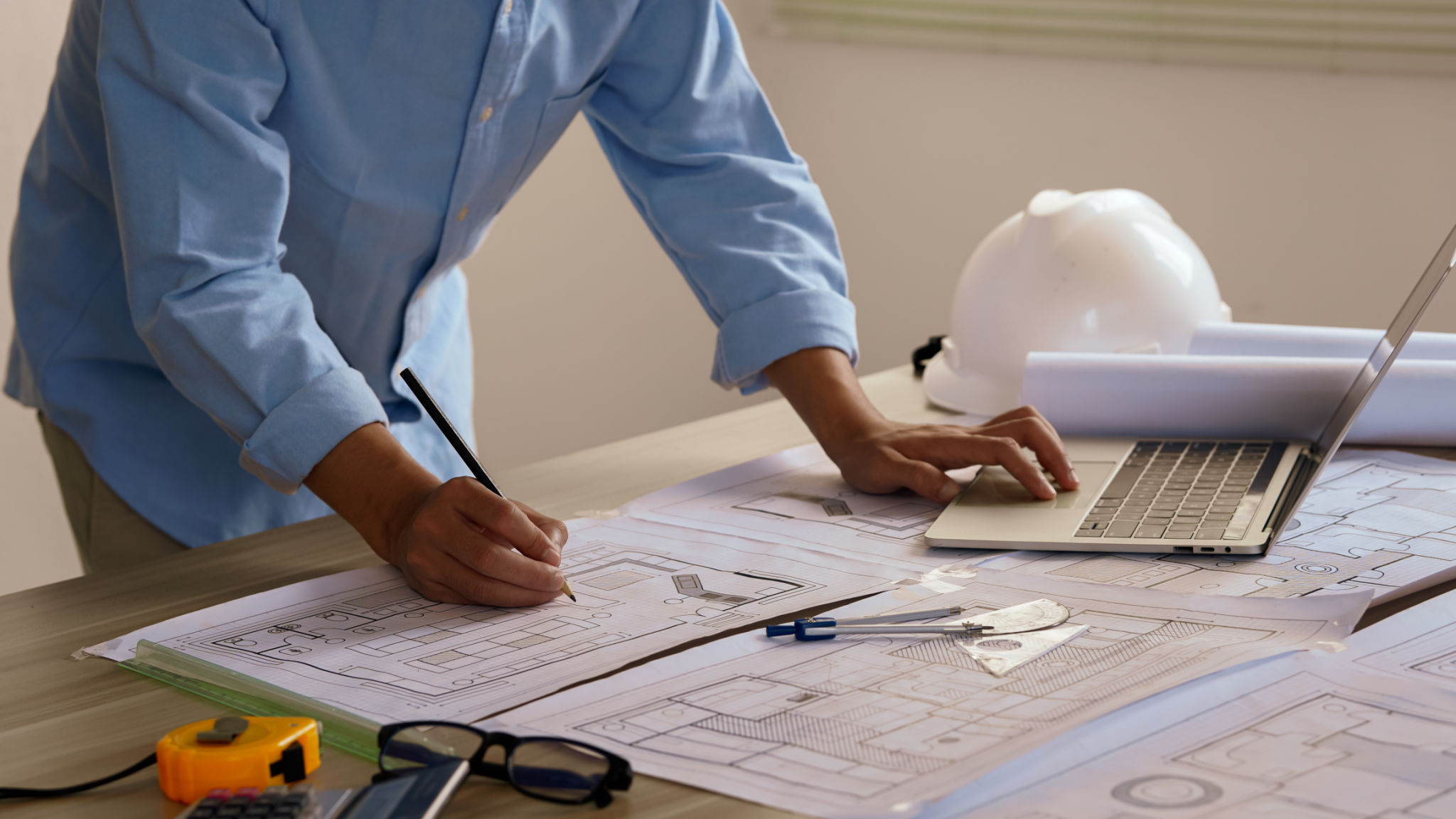
The first step in any construction project is comprehensive planning and design. This phase involves working with architects and engineers to create detailed blueprints and plans. It is essential to consider the project's scope, budget, and timeline during this stage. Proper planning helps prevent costly changes and delays later in the process.
Once the design is finalized, obtaining the necessary permits and approvals is crucial. This step ensures that the project complies with local regulations and building codes. It's important to work closely with local authorities to avoid potential legal issues.
Site Preparation
With permits in place, the next step is site preparation. This involves clearing the land, excavating, and setting up the necessary infrastructure. During this phase, utilities such as water, electricity, and sewage systems are also established. Proper site preparation lays the foundation for the rest of the construction process.
Foundation Construction
The foundation is a critical component of any building, providing stability and strength. This stage includes laying the groundwork, pouring concrete, and ensuring that the structure is level and secure. A strong foundation is vital for the durability and safety of the building.

Structural Framework
Once the foundation is set, the construction of the structural framework begins. This phase involves erecting beams, columns, and floors, which form the skeleton of the building. The choice of materials and construction techniques will depend on the design specifications and intended use of the building.
During this stage, it is essential to coordinate with engineers and contractors to ensure that the framework is built according to the plans and meets all safety standards.
Enclosure and Roofing
With the framework in place, the next step is to enclose the structure and install the roof. This involves adding walls, windows, doors, and other elements that protect the interior from external elements. Proper insulation is also crucial during this phase to ensure energy efficiency and comfort.

Interior and Exterior Finishing
As the building takes shape, attention shifts to finishing the interior and exterior. This includes installing plumbing, electrical systems, HVAC, and other essential services. Additionally, aesthetic elements such as flooring, paint, and fixtures are added to enhance the building's appearance and functionality.
Exterior finishing involves landscaping and other enhancements that improve the building's curb appeal and environmental integration.
Final Inspections and Completion
The final step in the construction process is conducting inspections to ensure everything is built according to plan and meets all safety and quality standards. Once the inspections are complete, the project is ready for handover to the client.
Completion marks the end of the construction journey, but it's only the beginning for the building's new occupants. Proper maintenance and care will ensure the structure remains safe and functional for years to come.